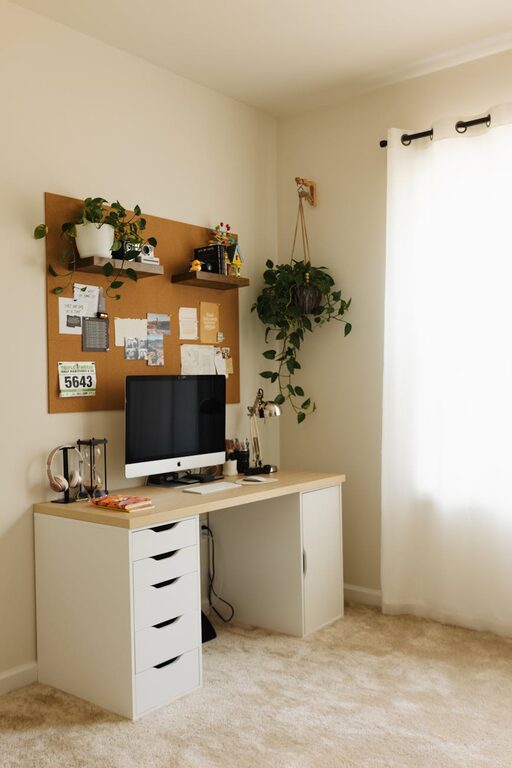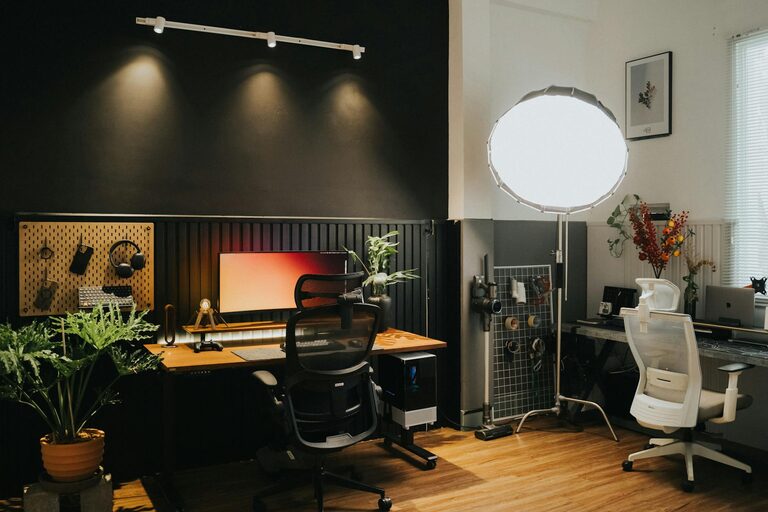
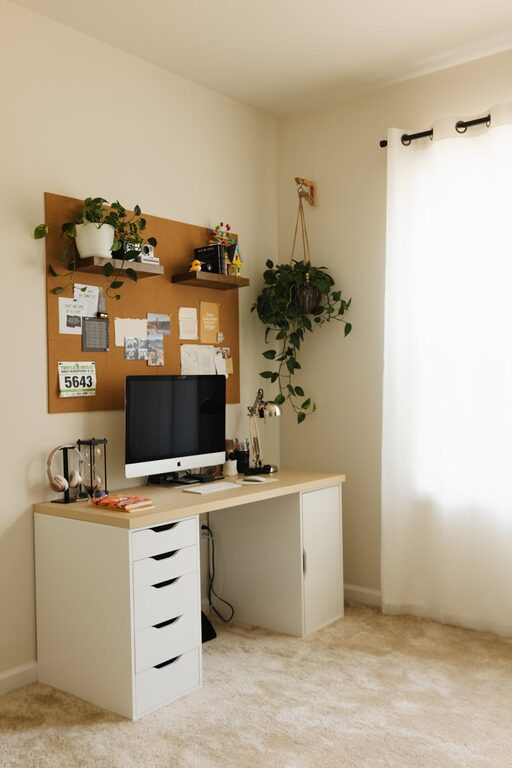
Working from home has become a norm for many, and having a dedicated space that combines comfort and productivity is essential. Creating a cozy and functional home office can boost your focus, improve your mood, and make your workday more enjoyable. Whether you’re starting from scratch or updating an existing setup, these tips will help you design a space that feels just right.
1. Choose the Right Location
Start by selecting a spot in your home that fits your work style:
– Quiet and Private: Preferably away from high-traffic areas to minimize distractions.
– Good Natural Light: Near a window if possible, as natural light helps reduce eye strain and lifts your mood.
– Adequate Space: Ensure there’s enough room for your desk, chair, and any equipment you need.
If space is limited, consider creative options like a corner nook or a fold-away desk.
2. Invest in Comfortable Furniture
A cozy home office begins with furniture you’ll enjoy using:
– Ergonomic Chair: Look for adjustable support to protect your posture during long hours.
– Appropriate Desk: Choose a size and style that fits your work essentials without clutter.
– Extra Seating: If you hold meetings or like to change your seating, a small armchair or bench can add comfort.
Comfort is key to staying productive and preventing fatigue.
3. Optimize Lighting
Good lighting affects both your comfort and concentration:
– Maximize Daylight: Keep window areas clear; consider light, sheer curtains.
– Task Lighting: Use adjustable desk lamps to focus light where you need it.
– Ambient Lighting: Use warm overhead lights or floor lamps to create a relaxing atmosphere.
Avoid harsh fluorescent lighting that can cause discomfort.
4. Personalize Your Space
Adding personal touches makes your office inviting and inspiring:
– Artwork or Photos: Choose images that uplift you without distracting.
– Plants: Bring in greenery to improve air quality and provide a calming effect.
– Decorative Items: Use functional decor like stylish organizers or colorful cushions.
Keep personalization balanced so it enhances your focus rather than causes clutter.
5. Keep It Organized
An organized space reduces stress and saves time:
– Storage Solutions: Use shelves, drawers, or boxes to keep supplies tidy.
– Cable Management: Use clips or sleeves to keep cords out of sight.
– Minimal Clutter: Keep only daily essentials on your desk.
Regularly declutter to maintain order and promote productivity.
6. Use Technology Wisely
Make technology work for you with these tips:
– Reliable Equipment: Invest in a good computer, headset, and high-speed internet.
– Docking Stations: For multiple devices, docks help connect everything easily.
– Cable Management: Keep cables organized to avoid a messy workspace.
Tech should streamline your work, not complicate it.
7. Create Zones for Different Tasks
If space allows, separate areas for various activities:
– Work Zone: Your desk and computer area.
– Reading/Brainstorming Zone: A chair with good lighting for reading or creative thinking.
– Storage Zone: Cabinets or shelves to store documents and supplies.
Zoning helps your brain switch between tasks and stay organized.
8. Mind the Noise
Noise can disrupt focus, so consider these tips:
– Noise-Canceling Headphones: Useful if you can’t avoid background sounds.
– Soundproofing: Add rugs, curtains, or wall panels to absorb sound.
– White Noise Machines: These can mask distracting noises with gentle background sounds.
Quiet environments support sustained concentration.
9. Maintain Good Air Quality
Fresh air and a comfortable temperature contribute to productivity:
– Ventilation: Open windows when possible or use air purifiers.
– Plants: Some plants naturally filter air and add freshness.
– Temperature Control: Adjust heating or cooling to stay comfortable.
Comfortable air quality reduces fatigue and keeps you alert.
10. Develop a Routine and Break Time
Finally, a well-designed space works best with good habits:
– Set Work Hours: Signal to yourself when it’s work time.
– Take Breaks: Step away regularly to stretch or refresh.
– End Your Day: Organize your space to separate work from personal time.
A cozy, productive home office supports healthy work-life balance.
—
Creating a home office that is both comfortable and efficient is achievable with thoughtful planning. By focusing on location, furniture, lighting, organization, and personalization, you can design a workspace that supports your productivity and well-being. Start small, and gradually refine your space to best suit your needs, making every workday a little brighter and easier.
About the Author