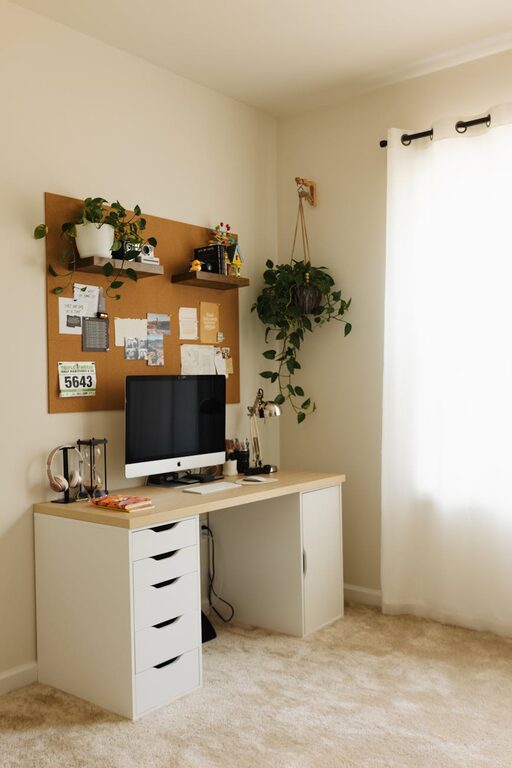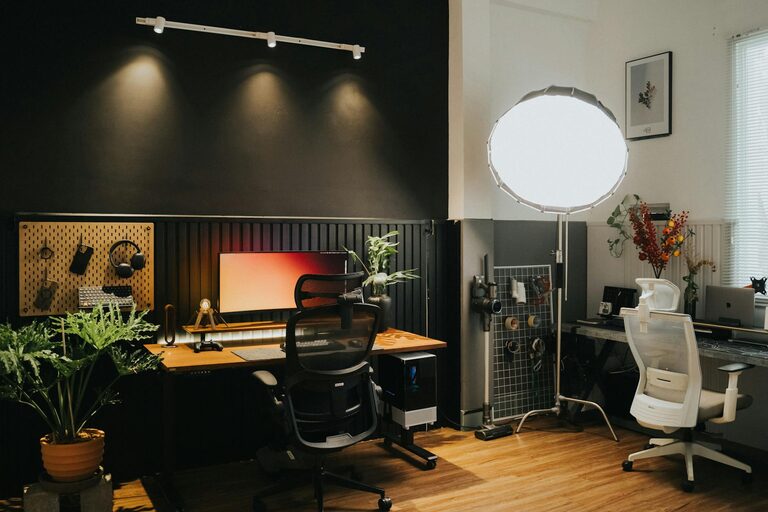
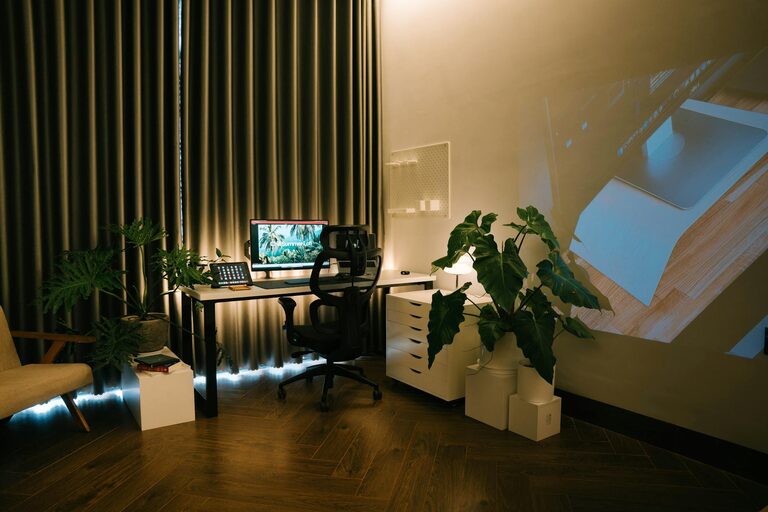
Setting up a home office that truly supports productivity can be a game changer, especially as many of us spend more time working remotely. A well-designed home office space enhances focus, keeps distractions at bay, and maintains comfort for long hours. Here are some helpful tips to create an inspiring and efficient workspace right in your home.
Choose the Right Location
The first step in creating a productive home office is selecting a suitable spot. Ideally, pick a quiet area away from household noise and high-traffic zones. If possible, find a room with a door you can close to minimize interruptions.
Natural light is another key factor. Place your desk near a window to benefit from daylight, which helps reduce eye strain and improve mood. If natural light is limited, invest in good-quality task lighting to keep the space bright and inviting.
Invest in Ergonomic Furniture
Comfort plays a crucial role in focus and productivity. An ergonomic chair with good lumbar support can prevent back pain and fatigue. Adjust your chair so your feet rest flat on the floor and your knees are at a right angle.
Your desk should be at a height where your arms rest comfortably while typing. Consider adjustable desks that allow you to alternate between sitting and standing during the day. This can reduce stiffness and improve circulation.
Organize for Efficiency
A cluttered workspace can distract and stress you. Keep only essential items on your desk and store the rest in drawers or shelves. Use organizers like trays, pen holders, and magazine files to keep things tidy.
Create zones within your workspace for different tasks — for example, a computer area, a writing space, and a reference area for documents or books. This separation helps you switch tasks smoothly and stay organized.
Minimize Distractions
To enhance focus, eliminate distractions as much as possible. Turn off notifications on your phone or use “Do Not Disturb” mode during work hours. Use noise-canceling headphones or play soft background music if external sounds bother you.
Inform family or housemates about your work schedule so they respect your office time. Clear communication reduces unexpected interruptions.
Personalize Your Space
Adding personal touches can make your home office feel welcoming and motivate you to work. Consider decorating with plants, artwork, or photos that inspire you. Plants, in particular, improve air quality and bring a sense of calm.
Choose colors that promote concentration and calmness, such as soft blues, greens, or neutrals. Avoid overly bright or distracting colors on walls or decor.
Manage Technology Wisely
Ensure your internet connection is stable and your computer is up to date to avoid technical issues that break concentration. Arrange your cords neatly with cable organizers or clips to prevent tangles.
Invest in peripherals like an external keyboard, mouse, or monitor to improve ergonomics and efficiency. Regularly back up your work and keep software updated for a smooth workflow.
Incorporate Break and Movement Areas
Your home office should encourage regular breaks and movement. Set a timer to remind yourself to stand, stretch, or walk around every hour. If space permits, add a small area with a yoga mat or a comfortable chair for quick relaxation.
Taking short breaks helps prevent burnout and boosts overall productivity.
Control Lighting and Temperature
Adjustable lighting options, such as desk lamps with dimmers, allow you to work comfortably at any time of day. Too bright or too dim lighting can cause eye strain.
Keep the room temperature comfortable—not too hot or cold. A fan or heater nearby can help you quickly adjust the environment as needed.
Set a Routine and Boundaries
Finally, establish a daily routine with consistent start and end times. This structure helps your brain distinguish between work time and personal time.
Set clear boundaries by communicating when you are “at work” and avoiding non-work activities in your home office space.
—
Creating a home office that supports your focus and comfort doesn’t have to be complicated. By thoughtfully arranging your space and adopting smart habits, you can build an environment that nurtures productivity and well-being every day. With these tips, your home office can become a place where you enjoy working and achieve your best results.
About the Author